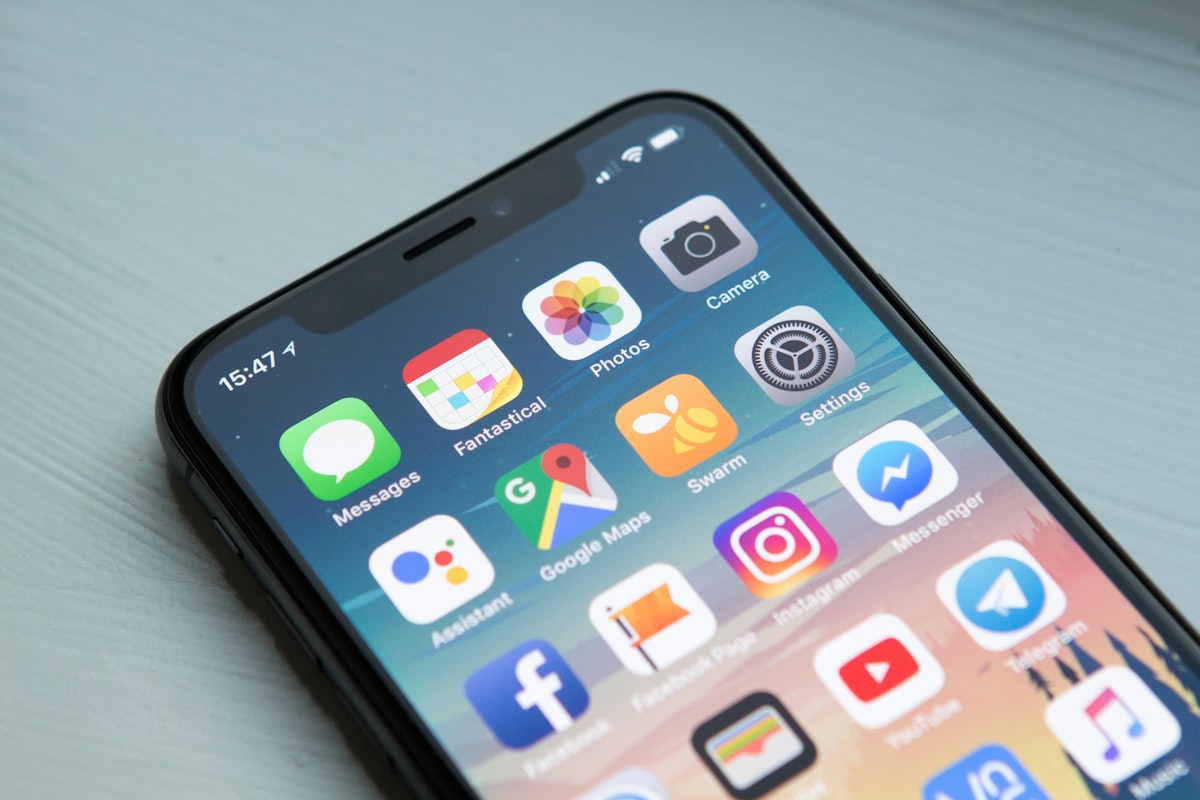
YouTube processes over 3 billion searches per month. For many topics — how-to tutorials, product reviews, demonstrations — video is the preferred content format and YouTube is where searchers go first. Mastering YouTube SEO means your videos get discovered through YouTube search, YouTube's recommendation algorithm, and increasingly through Google search results that surface video content directly.
How does YouTube's search algorithm work?
YouTube's algorithm has two separate systems that both matter for SEO:
- YouTube Search — when users type a query into YouTube's search bar, this system returns results. It weighs title relevance, description keyword match, tags, watch time, and engagement signals.
- YouTube Recommendations — the suggested videos shown alongside and after videos. This system drives the majority of YouTube's total watch time and is based primarily on watch time, click-through rate from thumbnails, and viewer satisfaction signals.
SEO primarily targets YouTube Search — getting discovered when users search relevant queries. Recommendation algorithm success follows naturally from content that earns strong watch time and engagement.
| Audit Focus Area | Crawl Impact | Organic Ranking Weight | Verification Tool |
|---|---|---|---|
| Crawl Budget Governance | Critical for sites >100 URLs | High (Ensures fresh indexation) | SEOLinkScan Broken Link Checker |
| Canonicalization Consistency | Prevents duplicate dilution | High (Consolidates PageRank) | Inspect self-referential canonical tags |
| Robots.txt & Sitemap Sync | Guards crawl accessibility | Foundational bot directive | Google Search Console Crawl Stats |
| Mobile-First Viewport Scaling | Seamless responsive layout | Official Google mobile ranking factor | Lighthouse Mobile Performance |
How do you optimise a YouTube video title for SEO?
The YouTube video title is the most important ranking signal. A well-optimised title:
- Includes the primary keyword in the first 60 characters (titles get truncated in search results)
- Matches the exact way people search the topic on YouTube — more conversational than a blog title
- Adds a compelling hook or benefit beyond the keyword alone
- Avoids clickbait that does not reflect the actual video content — high click-through but low watch time signals hurt rankings
Example: "How to Fix Broken Links on Your Website (Complete Guide 2026)" includes the keyword early, tells viewers exactly what they will learn, and signals currency with the year.
How do you write a YouTube description for SEO?
The YouTube description serves two purposes: keyword signals for YouTube's algorithm and conversion text for viewers deciding whether to watch.
- First 150 characters are critical — this is what appears in search results before "Show more". Include your primary keyword and the video's main value proposition here.
- Full description should be 200–500 words — naturally use your primary keyword two to three times and include related semantic terms
- Add timestamps — chapter markers (0:00 Introduction, 1:30 Step 1, etc.) help YouTube understand your content structure and can earn featured chapter display in results
- Include relevant links — link to related videos, your website, and tools mentioned in the video
Do YouTube tags still matter in 2026?
Tags have reduced in importance as YouTube has improved its understanding of video content through title and description analysis. They still provide some signal, particularly for helping YouTube understand how your video relates to other videos in your niche. Use 5–10 relevant tags including your primary keyword, key variations, and broad topic terms. Do not fill 500 characters with every possible tag variation — this dilutes rather than improves relevance signals.
How do you appear in Google's search results with YouTube videos?
Google surfaces YouTube videos in regular search results for queries where video content is particularly relevant — tutorials, demonstrations, music, and "how to" queries. The optimisation for Google search visibility is the same as YouTube search: keyword-optimised title, first line of description containing the keyword, and strong watch time signals that tell Google the video genuinely satisfies the query.
A strong watch time and engagement performance on YouTube is the primary signal Google uses when deciding which videos to surface — a well-optimised video that viewers do not actually watch will not rank in Google regardless of metadata.
What makes viewers actually watch your video (the signal that matters most)?
- Hook the first 30 seconds — YouTube measures whether viewers stay or leave in the opening seconds. Deliver your main value promise immediately.
- Use chapters (timestamps) — viewers who can navigate to the specific section they need watch more of the video and have higher satisfaction
- Match the thumbnail to the title — high CTR from thumbnails combined with long watch time is the algorithm's strongest positive signal
- End with a clear call to action — ask for likes, comments, and subscriptions — engagement signals support algorithm ranking
- Conduct Complete Monthly Site Audits: Scan your domain with SEOLinkScan to detect broken links, redirect loops, and server error codes.
- Validate Self-Referential Canonical Tags: Prevent duplicate content indexation by confirming every URL features a verified canonical tag.
- Review XML Sitemap Hygiene: Ensure your sitemap exclusively contains clean 200 OK indexable URLs with zero 404s or 301 redirects.
- Inspect Bot Log Files: Analyze server logs to confirm Googlebot and Bingbot are spending crawl budget on cornerstone commercial content.
Strategic Action Plan: Mastering Technical SEO Architecture
- YouTube is the world's second-largest search engine — YouTube SEO makes your videos discoverable through search and recommendations
- Title with keyword in first 60 characters is the most important on-page signal
- First 150 characters of description must include the keyword — this appears in search results
- Watch time and click-through rate are the dominant algorithm signals — great SEO combined with weak content performs poorly
- Target YouTube search for discovery; excellent watch time and engagement earn recommendation algorithm visibility
Continue reading: How do you do SEO for a podcast?