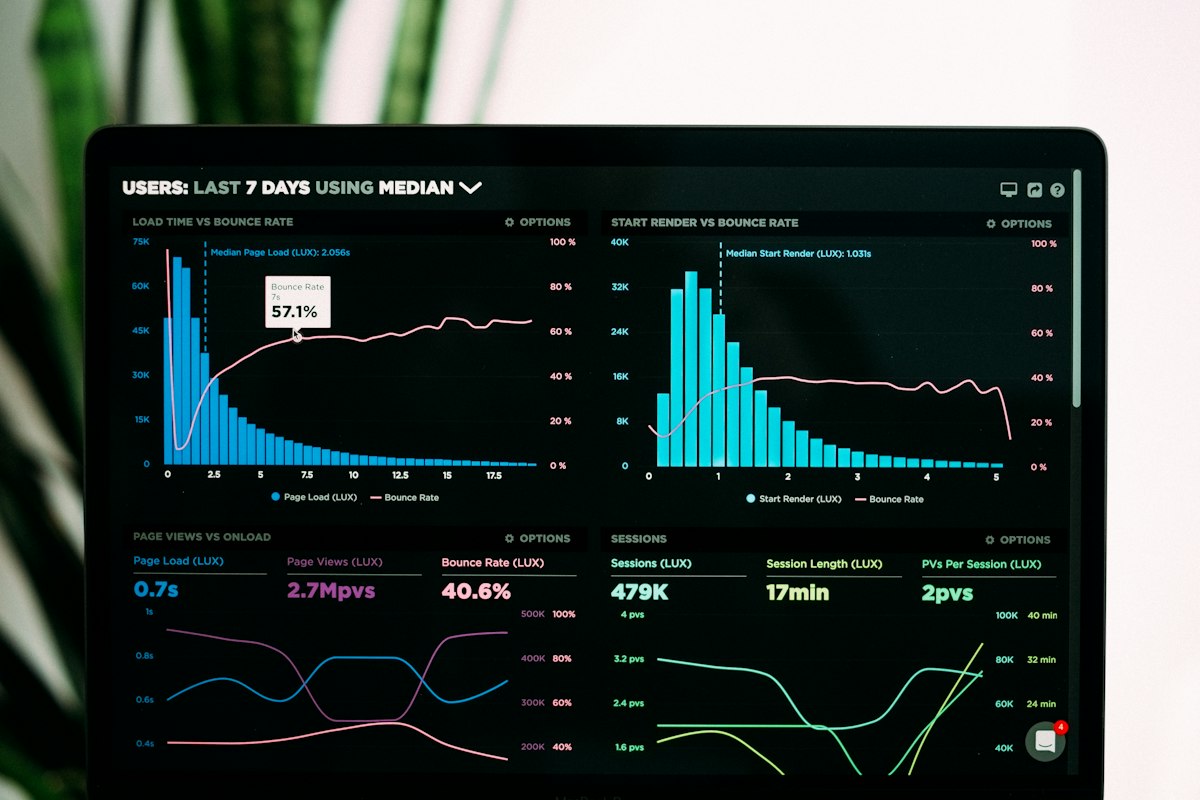
If you want to achieve lasting visibility in Google search results for Moz SEO guide, you need a strategy that goes beyond basic optimisation. The websites that consistently dominate search results combine deep technical knowledge, genuinely helpful content, and systematic authority building — applied with consistency over time. This comprehensive guide covers every aspect of Moz SEO guide you need to understand and implement to rank competitively in 2026 and beyond.
Why Moz SEO guide Deserves Your Full Attention in 2026
The search landscape in 2026 is more competitive than at any point in history. Google processes billions of searches daily, and the algorithms evaluating every result have become extraordinarily sophisticated. For Moz SEO guide specifically, this means that shortcuts and generic approaches no longer produce meaningful results. What works is a genuine commitment to quality — quality content, quality technical implementation, and quality link acquisition.
The opportunity in Moz SEO guide has never been greater for website owners willing to do the work properly. Google's increasing ability to identify and reward genuine expertise means that authentic knowledge and real experience are now more valuable ranking signals than ever. This guide gives you the framework to demonstrate that expertise in ways Google recognises and rewards.
| Anchor Text Category | Target Ratio % | Algorithmic Risk Level | Strategic Purpose |
|---|---|---|---|
| Branded Anchors (e.g., SEOLinkScan) | 40% – 50% | Zero Risk (E-E-A-T baseline) | Builds core entity trust with Google |
| Naked URL Anchors (https://...) | 20% – 30% | Zero Risk | Natural citation footprint across forums |
| Generic Anchors (Visit site, source) | 10% – 15% | Low Risk | Balances artificial keyword ratios |
| Partial Match Anchors | 5% – 10% | Moderate (Monitor closely) | Safely reinforces topical keyword intent |
| Exact Match Anchors | 1% – 5% Max | High (Penguin / Spam filter trigger) | High power but dangerous if overused |
Setting the Foundation — Technical SEO for Moz SEO guide
Technical SEO is the foundation upon which every other element of your Moz SEO guide strategy is built. Without a technically sound website, even the best content and strongest backlinks will underperform. Start every Moz SEO guide initiative with a comprehensive technical audit using our free Anchor Text Analyser — this will identify crawl errors, broken links, redirect chains, and structural issues that may be preventing Google from properly accessing and understanding your content.
Beyond error correction, technical excellence for Moz SEO guide means ensuring fast page load times, a clean mobile experience, proper HTTPS configuration, logical site architecture that makes content easy to discover, and an XML sitemap that helps Google understand your content hierarchy. Each of these contributes to Google's ability to crawl, index, and rank your pages effectively.
Do not underestimate the impact of page speed specifically. Google's Core Web Vitals are direct ranking signals for page experience, and a slow site loses rankings and visitors simultaneously. Use our free Keyword Density Checker to measure your current performance and identify the specific improvements that will have the greatest impact on your scores.
Understanding Search Intent for Moz SEO guide
Search intent is the foundation of effective content strategy for Moz SEO guide. Every search query has an underlying intent — what the user actually wants to achieve — and Google has become remarkably accurate at identifying that intent and ranking content accordingly. Creating content that matches intent perfectly is one of the highest-leverage optimisations available.
For Moz SEO guide, search intent typically falls into one of four categories. Informational intent covers users who want to learn something — how-to guides, explanations, and educational content. Navigational intent covers users looking for a specific website or brand. Commercial intent covers users comparing options before making a decision. Transactional intent covers users ready to take an action — buy, book, contact, or sign up.
Before creating any content for Moz SEO guide, manually search your target keywords and study the type of content that currently ranks. If Google consistently shows detailed how-to guides, that tells you the intent is informational. If it shows comparison pages, the intent is commercial. Matching your content format to the demonstrated intent is often the difference between ranking on page one and not ranking at all.
Keyword Research Strategy for Moz SEO guide
Effective keyword research for Moz SEO guide requires more than finding high-volume terms — it requires understanding the full landscape of queries your target audience uses at different stages of their journey. Build your keyword list in three tiers. Primary keywords are your main target terms — high relevance, moderate to high volume, and achievable within your current domain authority. Secondary keywords are related terms that should appear naturally throughout your content. Long-tail keywords are specific, question-based queries that have lower volume but much higher conversion rates because the searcher is more specific about what they need.
For Moz SEO guide, pay particular attention to question-based keywords that appear in Google's People Also Ask boxes. These represent real questions your audience is asking, and answering them comprehensively in your content increases your chances of winning featured snippets — which can dramatically increase both visibility and click-through rates without necessarily improving your ranking position.
Creating Content That Ranks for Moz SEO guide
Content quality for Moz SEO guide is not about length alone — it is about genuine usefulness, accuracy, and comprehensiveness. Google's quality raters evaluate content using E-E-A-T criteria: Experience (has the author actually done this?), Expertise (do they deeply understand the subject?), Authoritativeness (are they a recognised source?), and Trustworthiness (can users rely on this information?).
For Moz SEO guide, demonstrate these qualities by including specific examples from real experience, citing accurate statistics and data, explaining the reasoning behind recommendations rather than just listing them, and updating your content regularly to reflect current best practices. Content that reads like it was written by someone who genuinely knows their subject consistently outperforms content that reads like a generic overview — because Google's algorithms have become increasingly good at distinguishing between the two.
Structure your content to serve both users and search engines. Use clear H2 and H3 subheadings that incorporate secondary keywords naturally. Use bullet points and numbered lists for processes and comparisons. Include internal links to related content on your site to help both users and Google understand the relationship between your pages.
On-Page SEO Optimisation for Moz SEO guide
With strong content in place, systematic on-page optimisation ensures every element sends clear, consistent relevance signals to Google. Your title tag should incorporate your primary keyword near the beginning while remaining compelling enough to earn clicks. Your meta description should summarise the page's benefit clearly in 150-160 characters and include a call to action.
Within the content itself, ensure your primary keyword appears in the first 100 words, in at least one H2 subheading, and naturally throughout the body text without over-optimisation. Image alt text should describe images accurately using relevant keywords where natural. Internal links should use descriptive anchor text that tells Google what the linked page is about. Every one of these elements contributes to the cumulative relevance signal Google uses to understand and rank your page for Moz SEO guide.
Building Authority for Moz SEO guide
Content quality and technical excellence are necessary but not sufficient for competitive rankings in Moz SEO guide. Authority signals — primarily backlinks from relevant, trusted websites — are what give Google the confidence to rank your content prominently. Building genuine authority requires a sustained, strategic approach to link acquisition.
The most effective authority building strategies for Moz SEO guide centre on creating content so useful that other websites naturally want to reference it, then amplifying that content's reach through systematic outreach. Comprehensive guides, original research, useful free tools, and data-driven content consistently attract more backlinks than opinion pieces or generic articles. Use our free Anchor Text Analyser to identify broken link opportunities on relevant sites — this broken link building technique has consistently high conversion rates because you are solving a real problem for the linking site.
Monitor your growing backlink profile regularly using our free Keyword Density Checker to ensure the links you are earning are helping rather than hurting your rankings. A diverse backlink profile with varied anchor text from relevant, authoritative domains is the hallmark of a site that Google trusts and ranks consistently well.
Measuring and Improving Your Moz SEO guide Performance
Data-driven decision making is what separates sites that grow their organic traffic consistently from those that plateau. For Moz SEO guide, establish a monthly review rhythm that covers: organic impressions and clicks in Google Search Console, average ranking positions for target keywords, organic traffic to key pages in Google Analytics, and conversion rates from organic visitors.
When you identify pages that are not performing as expected — high impressions but low CTR, strong rankings but high bounce rates, significant traffic but poor conversions — use the data to guide specific improvements rather than guessing. High impressions with low CTR points to title and meta description improvements. High bounce rates point to content quality or intent mismatch issues. Poor conversions point to offer or UX problems. Each data signal tells you exactly where to focus your optimisation effort.
Long-Term Growth Strategy for Moz SEO guide
The sites that achieve the most significant and lasting results from Moz SEO guide treat SEO as a long-term growth programme rather than a series of one-off campaigns. This means publishing consistently high-quality content on a regular schedule, continuously improving existing pages as new data emerges, building links systematically month after month, and staying current with algorithm developments that may affect your strategy.
Build systems and processes for each component of your Moz SEO guide strategy so that progress continues even during busy periods. A consistent monthly effort — a small number of new content pieces, a regular outreach campaign, a quarterly technical audit — compounds dramatically over 12-24 months into traffic and authority that would be impossible to achieve through sporadic bursts of activity.
Implementation Checklist & Action Plan
Achieving strong, sustainable rankings for Moz SEO guide requires a balanced approach: solid technical foundations, genuinely helpful and comprehensive content, systematic on-page optimisation, and patient authority building through relevant backlinks. Begin with a technical audit using our free Anchor Text Analyser to establish your baseline, develop content that genuinely serves your audience better than competing pages, and invest consistently in earning authoritative backlinks over time. Track your progress monthly and use data to guide continuous improvements. Use our free Keyword Density Checker as part of your regular workflow to ensure every page on your site is performing at its optimum level as your Moz SEO guide strategy matures and compounds.