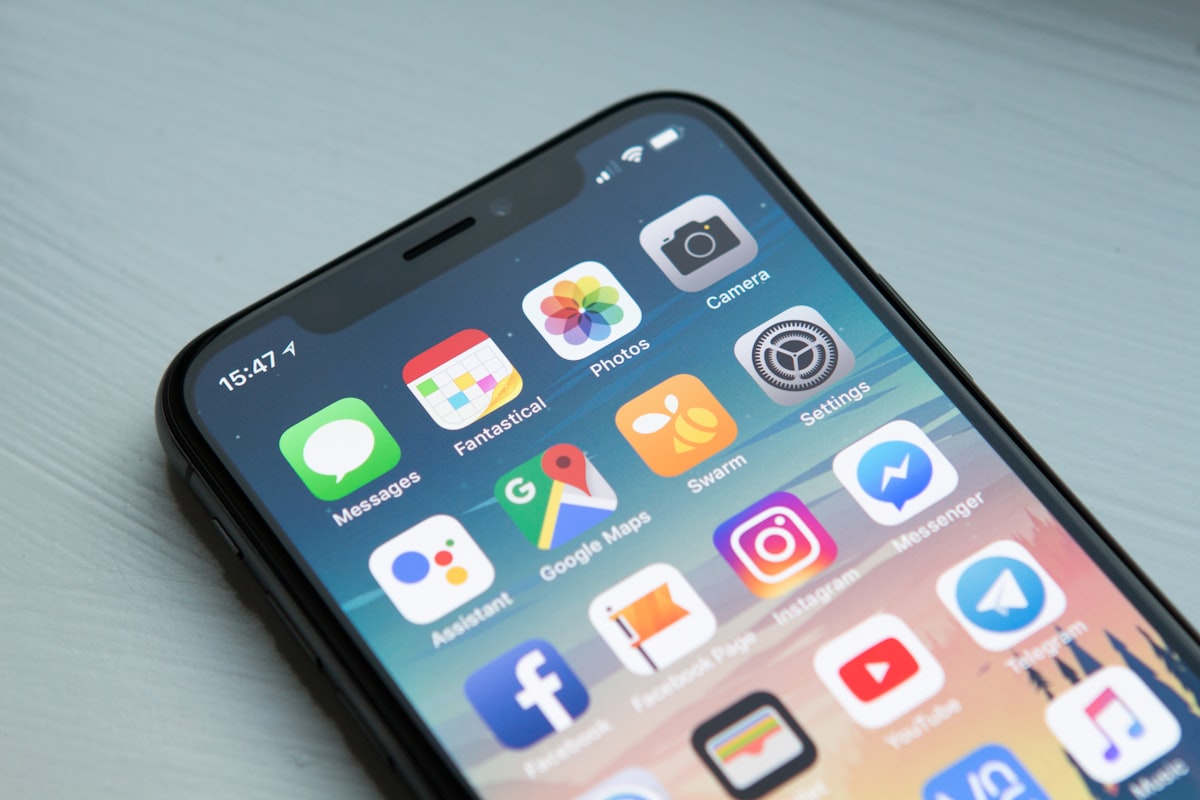
Voice search has quietly become a significant portion of all searches. People ask their phones, smart speakers, and AI assistants questions in natural spoken language every day. The content that answers those spoken queries well earns a different kind of visibility — one that does not depend on ranking position one, but on being the single answer read aloud by a device.
How is voice search different from typed search?
Voice queries differ from typed queries in three significant ways:
- Length — typed queries average 2–3 words; voice queries average 7–10 words. People type "best pizza London" but say "what is the best pizza restaurant near me in London right now".
- Format — voice queries are almost always phrased as full questions. They use natural conversational language with words like "who", "what", "where", "when", "why", "how", and "which".
- Intent — voice searches are heavily local ("near me", "open now") or informational ("how do I...", "what is..."). Commercial voice searches are less common but growing.
How big is voice search in 2026?
Voice search represents an estimated 20–25% of all mobile searches in 2026 and is used by over 50% of adults daily via smart speakers or phone assistants. The growth of AI assistants has accelerated this — ChatGPT, Siri, Alexa, Google Assistant, and Cortana all process spoken natural language queries. Optimising for voice search is increasingly the same as optimising for AI answer engines.
| Audit Focus Area | Crawl Impact | Organic Ranking Weight | Verification Tool |
|---|---|---|---|
| Crawl Budget Governance | Critical for sites >100 URLs | High (Ensures fresh indexation) | SEOLinkScan Broken Link Checker |
| Canonicalization Consistency | Prevents duplicate dilution | High (Consolidates PageRank) | Inspect self-referential canonical tags |
| Robots.txt & Sitemap Sync | Guards crawl accessibility | Foundational bot directive | Google Search Console Crawl Stats |
| Mobile-First Viewport Scaling | Seamless responsive layout | Official Google mobile ranking factor | Lighthouse Mobile Performance |
What content structure works best for voice search?
Voice assistants almost always read aloud the content from a featured snippet — the answer box Google displays at position zero. This means voice search optimisation and featured snippet optimisation are essentially the same activity.
The structure that wins voice search results:
- Question-format H2 and H3 headings — match exactly how someone would speak the query. "How do you fix a 404 error?" not "Fixing 404 Errors".
- Direct answer in the first sentence after the heading — do not build up to the answer. Give it immediately in 1–2 sentences.
- 40–60 word answer paragraphs — voice assistants read approximately this length before stopping. Longer answers get cut off.
- Conversational language — write how people speak, not how textbooks are written. Short sentences. Active voice. "You" and "your".
How does local SEO connect to voice search?
A large proportion of voice searches have local intent — "where is the nearest...", "what time does X close", "best Y near me". For these queries, voice assistants pull from Google Business Profile data rather than website content.
To appear in local voice search results:
- Claim and fully complete your Google Business Profile
- Keep your opening hours accurate and up to date
- Ensure your NAP (Name, Address, Phone) is consistent across all platforms
- Accumulate genuine Google reviews — voice assistants often mention ratings
Does page speed matter for voice search?
Yes — voice search results strongly favour fast-loading pages. When a voice assistant selects a source to read from, it preferences pages that load quickly. Check your page speed with our speed tool and ensure your most important pages pass Core Web Vitals thresholds, particularly on mobile where most voice searches originate.
What schema markup helps with voice search?
FAQPage schema is the most direct voice search optimisation tool. It explicitly marks up question-and-answer pairs in a format that Google and AI assistants can directly extract for spoken answers. As covered in our guide to schema markup, add FAQPage schema to any page with clear questions and answers — it makes your answers directly machine-readable for voice assistants.
Strategic Action Plan: Mastering Technical SEO Architecture
- Voice queries are 7–10 words, conversational, and almost always phrased as questions
- Voice assistants read featured snippets — voice SEO and featured snippet optimisation are the same thing
- Use question-format headings with 40–60 word direct answers underneath for voice-optimised structure
- Local voice searches pull from Google Business Profile — keep it complete and accurate
- Fast page speed and FAQPage schema both improve voice search eligibility
Continue reading: How do you get your website on Google in 24 hours?
Resolving complex indexing bottlenecks, crawl budget depletion, and Core Web Vitals performance requires hands-on systems architecture. Explore our dedicated Enterprise SEO Services or consult directly with our localized technical desks in the United States, the United Kingdom, Australia, Canada, Dubai & UAE, and Pakistan.
All technical research on SEOLinkScan is audited in our testing laboratory in accordance with our Editorial Policy by our verified Author Team.