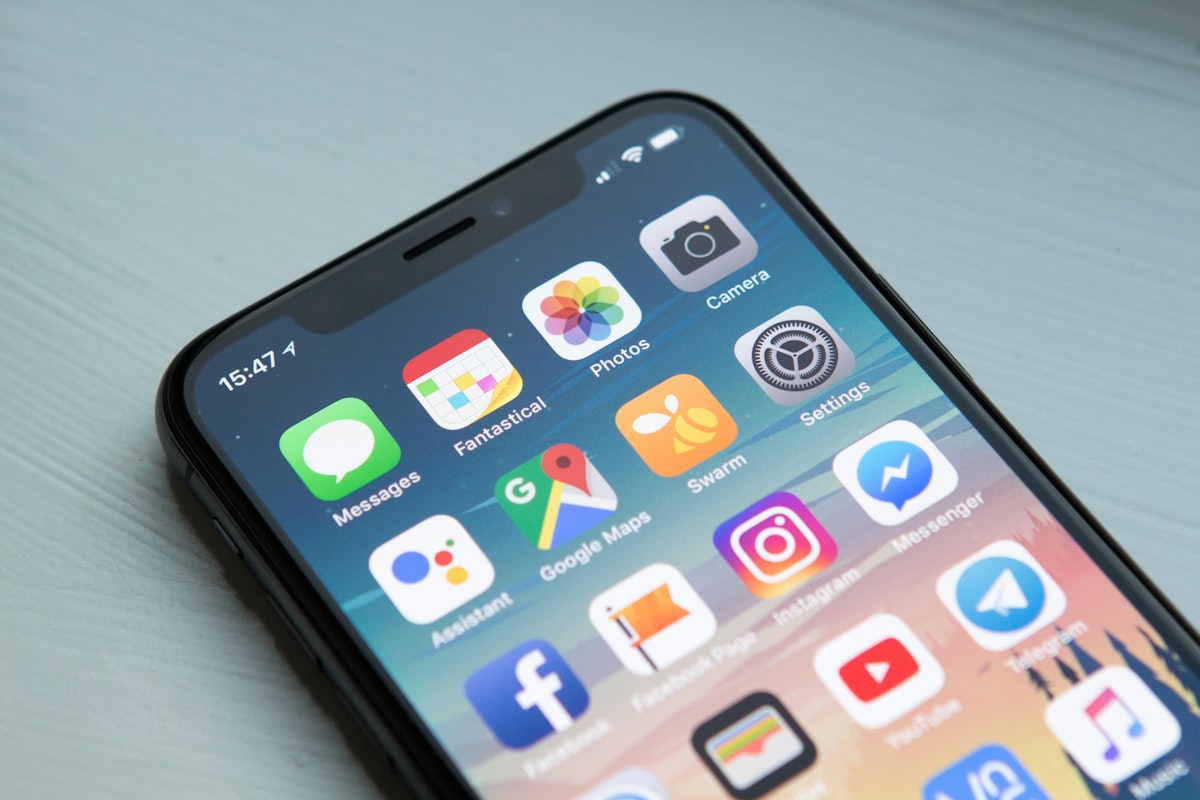
Google Discover is a personalised content feed that appears on Google's mobile homepage, in the Google app, and increasingly integrated into AI search experiences. Unlike traditional search, users do not type a query — Google proactively surfaces content it predicts each user will find interesting based on their search history, location, and content interactions. For sites that crack the Discover algorithm, it can deliver enormous traffic spikes — often larger than the site's entire organic search traffic.
How Google Discover Selects Content
Discover prioritises content based on personalised interest signals, topic authority, content quality, and engagement predictions. A piece of content that performs well on Discover is typically: timely and topical, visually engaging with high-quality images, written for a general intelligent audience rather than specialists, and covers topics with broad human interest rather than narrow technical niches.
As we covered in our guide to content freshness, Discover heavily weights recently published content — a new article has a brief window of Discover eligibility that fades as the content ages. Evergreen content ranks in search but rarely appears in Discover; timely content rarely sustains search rankings but can generate massive one-time Discover traffic.
| Audit Focus Area | Crawl Impact | Organic Ranking Weight | Verification Tool |
|---|---|---|---|
| Crawl Budget Governance | Critical for sites >100 URLs | High (Ensures fresh indexation) | SEOLinkScan Broken Link Checker |
| Canonicalization Consistency | Prevents duplicate dilution | High (Consolidates PageRank) | Inspect self-referential canonical tags |
| Robots.txt & Sitemap Sync | Guards crawl accessibility | Foundational bot directive | Google Search Console Crawl Stats |
| Mobile-First Viewport Scaling | Seamless responsive layout | Official Google mobile ranking factor | Lighthouse Mobile Performance |
Content Formats That Perform on Discover
Analysis and opinion pieces on trending topics, comprehensive guides on subjects with broad interest, surprising or counterintuitive findings, and list-format content with clear visual hooks all perform well on Discover. Technical how-to guides with narrow audiences perform poorly regardless of quality — Discover serves broad audiences, not specialists searching for specific solutions.
The Image Requirement
Google requires images of at least 1,200px wide for Discover eligibility. Small or low-quality featured images disqualify content from Discover automatically. As we covered in our guide to image SEO, add high-quality large images to all your content as standard — this satisfies both traditional image SEO and Discover eligibility simultaneously.
Implement the max-image-preview:large robots meta tag to explicitly allow Google to use your large images in Discover cards: <meta name="robots" content="max-image-preview:large">.
E-E-A-T for Discover
Discover increasingly surfaces content from sources with established topical authority and strong E-E-A-T signals as covered in our guide to E-E-A-T. An author-bylined article from a recognised expert on a trending topic is significantly more likely to appear in Discover than an anonymous piece — even if the anonymous piece is technically better written.
Monitoring Discover Traffic
In Google Search Console, the Performance report has a Discover section showing clicks, impressions, and CTR from Discover specifically. Monitor this alongside your regular search performance. A piece of content appearing in Discover is typically a signal of strong topical authority and quality signals worth replicating in future content.
- Conduct Complete Monthly Site Audits: Scan your domain with SEOLinkScan to detect broken links, redirect loops, and server error codes.
- Validate Self-Referential Canonical Tags: Prevent duplicate content indexation by confirming every URL features a verified canonical tag.
- Review XML Sitemap Hygiene: Ensure your sitemap exclusively contains clean 200 OK indexable URLs with zero 404s or 301 redirects.
- Inspect Bot Log Files: Analyze server logs to confirm Googlebot and Bingbot are spending crawl budget on cornerstone commercial content.
Strategic Action Plan: Mastering Technical SEO Architecture
Optimise for Google Discover by publishing timely, broadly interesting content with large 1,200px+ images, the max-image-preview:large meta tag, strong E-E-A-T author signals, and compelling headlines that work as Discover cards. Discover is a supplementary traffic channel — optimise for it without compromising the search-first content strategy that builds lasting organic traffic.
Missed the previous article? Read: How to Build Links Through PR and Digital Marketing in 2026